JoJo’s Bizarre Adventure: Eyes of Heaven — An Honest Critique from a Longtime Manga Purist
 Admin
A review from someone who followed the original manga in real time since its weekly serialization:My unfiltered take on JoJo's Bizarre Adventure: Eyes of Heaven.
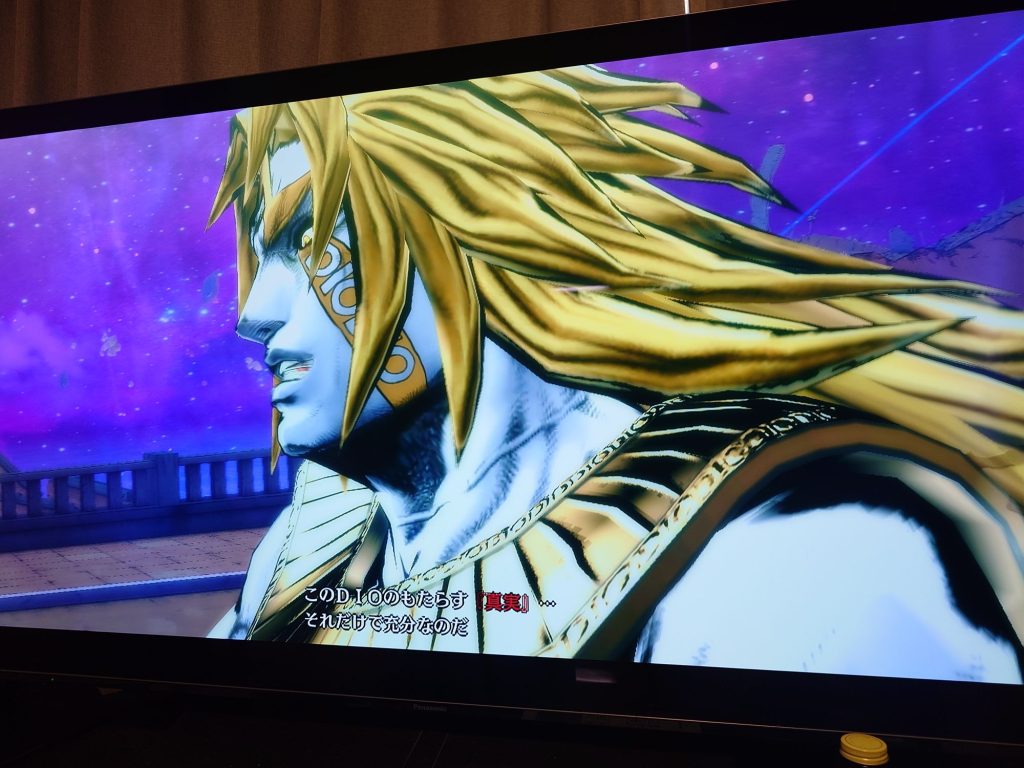
1. The Climax's 'Ora Ora' and 'Reality Overwrite' Were 100% Unnecessary by Lore Rules
Casual fans and official guides often celebrate the finale: 'Jotaro awakened to Reality Overwrite because they share the same type of Stand, then beat DIO with an Ora Ora rush!' But if you analyze it through the actual logic established by Hirohiko Araki,Jotaro's sudden awakening in that final battle was completely unnecessary and represents an absolute narrative plot holefrom start to finish.
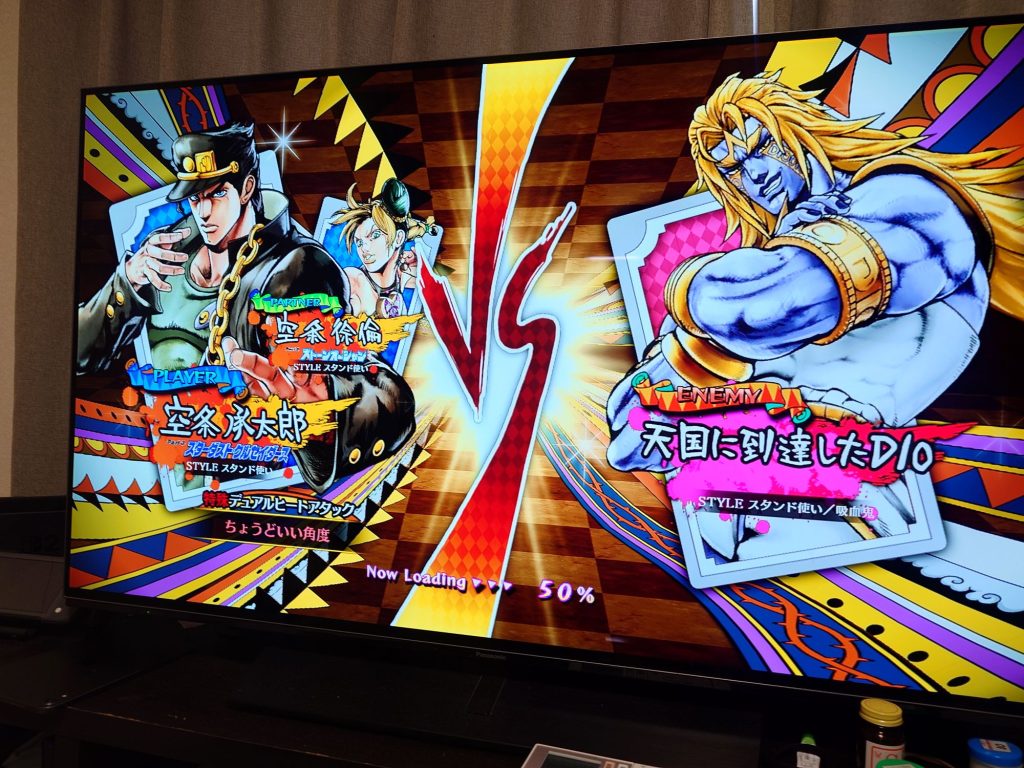
- Valentine's bracelet had already neutralized DIO's ability:The trigger condition for Heaven Ascension DIO's broken cheat power, 'Reality Overwrite,' was directly touching the target with his Stand's fists. Right before the final battle, President Funny Valentine risked his life to deliver the bracelet from the Base World's DIO. When it made contact with Heaven DIO's bracelet, the parallel-world rule of mutual annihilation triggered, completely blowing off Heaven DIO's arms and preventing him from using his ability until they could regenerate seconds later.
- A plain physical 'Ora Ora' should have ended it right there:With DIO disarmed and defenseless, all Jotaro needed to deliver was a standard physical Ora Ora rush using Star Platinum's native, overwhelming destructive power. Yet for some bizarre reason, Jotaro suddenly awakens to 'Reality Overwrite' (Star Platinum Over Heaven) as well.
- The contradiction of using an 'Ora Ora' rush instead of a single blow:If Jotaro truly possessed Reality Overwrite, all it would take is a single touch to rewrite reality so DIO ceases to exist. Instead, settling the battle with an extended physical pummeling completely undermines the nature of the ability (rewriting reality upon fist contact), making the whole sequence illogical and contradictory.
In the end, this finale is nothing more thana hollow, surface-level homage trying to milk Part 3's iconic 'So it's the same type of Stand' twist and the famous 'You ticked me off' punchline one more timewithout any real substance.
2. Completely Sidelining Jonathan and Giorno (Wasting Blood Ties and the Crossover Spirit)
Despite gathering characters from Parts 1 through 8 and hyping up an epic crossover, ending Chapter 12 as yet another 'Jotaro one-man show' exposes an astonishing lack of writing skill—frankly, a juvenile plot. Most egregious of all,leaving Jonathan and Giorno out in the cold feels like an absolute desecration of JoJo's thematic coreand its generational legacy.
Ignoring Jonathan, the Owner of the Stolen Body
Heaven DIO's body from the neck down belongs to Jonathan Joestar. Yet, despite being confronted with the very man defiling his body to play God, Jonathan gets practically no meaningful dialogue or dramatic resolution. He is treated as nothing more than a warm body to pad out the battle roster.
Erasing Giorno, DIO's Biological Son with the Ultimate Hard-Counter Ability
Giorno Giovanna is DIO's biological son, yet he miraculously inherits the noble 'Golden Spirit' of the Joestars. Furthermore, his Stand, Gold Experience Requiem (GER),reverts all actions and willpower to 'zero' (never allowing anyone to reach the truth)—a power that conceptually serves as the absolute, flawless counter to Heaven DIO's 'Reality Overwrite'—yet it is completely ignored.
An evil father trying to rewrite reality versus a righteous son who denies anyone from reaching it—the thematic setup couldn't have been more poetic. Yet the game's writers swept it under the rug. Instead of letting Giorno deliver poetic justice, they relegated him to a mere spectator.
Furthermore, in this EoH timeline, the party journeys under the premise that all fallen allies can be restored later by rewriting reality. Jotaro never undergoes the sheer despair and fury of Part 3, where his friends were slaughtered and Joseph's blood was drained before his eyes.Forcing Jotaro to deliver his 'You pissed me off' one-liner and unleash an Ora Ora rush when he has zero emotional reason to be enraged (he really should be thanking Valentine for the bracelet)falls completely flat for anyone who understands how the original manga's climax was driven by pure spiritual willpower.
3. A Shallow Misunderstanding of 'Heaven' as a Generic Battle Shonen Power-Up
What disappointed longtime fans most of all was thatthe philosophy, drama, and charismatic villainy behind why DIO sought Heaven and how he attained it were utterly stripped away, reducing him to a braindead brutewith zero nuance.
- 'Heaven' in the manga meant universal peace of mind:In Part 6, the Heaven envisioned by DIO and Father Pucci was about accelerating time to loop the universe, allowing all humanity to know their predetermined fates so they could conquer fear and live with true 'resolve' (peace of mind). It was never about obtaining godlike power to reshape the universe to their own selfish whims.
- 'Heaven' in the game became a cheap invincibility barrier:Yet EoH's writers treated it like a lazy fighting game boss modifier: 'He reached Heaven, so his Stand evolved and gained an unbeatable cheat code (Reality Overwrite).' DIO's deep philosophical reflections on fate and human weakness vanished, replaced by generic, low-IQ villain tropes like 'I can rewrite reality, so I'm the strongest, and I'll erase anyone who disobeys.' That is why the final battle feels so boring—both narratively and mechanically.
4. Shameless Padding and Atrocious Game Design (The Chapter 12 Disaster)
Beyond the broken storytelling, the gameplay itself subjects players to pure torture. In the final chapter (Chapter 12), right when the tension should be hitting its climax,the game forces you to retrace your steps and fight the exact same allies and bosses (Zeppeli, Caesar, etc.) that you already defeated and liberated from brainwashing just an hour earlier in Chapters 10 and 11.It is an infuriatingly lazy, repetitive chore designed solely to pad runtime.
To make matters worse, you are made to run around clearing out waves of low-tier zombies and vampires from the prologue all over again, dragging the pacing to a grinding halt. It is such an uninspired, insulting level of padding that anyone would be justified in ejecting the disc and tossing it straight into the trash.
5. Why Did Such a Flawed Game Become an Overpriced Collector's Item?
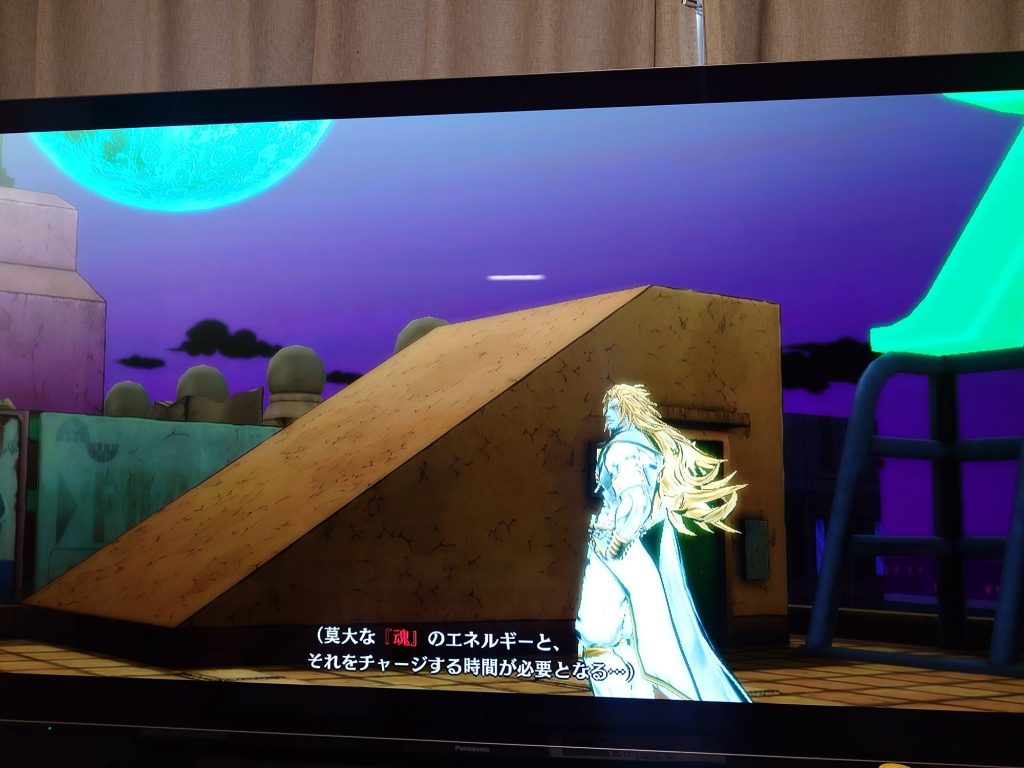
Despite how hollow the game is, prices on the secondhand market skyrocketed into premium territory. The reason has nothing to do with quality; it is entirelythe result of a commercial distortion born from the previous game,All-Star Battle (ASB).
- ASB triggered massive outrage upon release due to predatory mobile-style stamina timers inside a full-priced console game (the notorious 'You can play for free!' fiasco), shattering fan trust in Bandai Namco.
- Consequently, burned fans boycotted EoH upon release. First-week sales plummeted to less than one-tenth of ASB's (around 40,000 units). Bandai Namco abruptly cut production, leaving the market with an extremely low supply of physical discs.
- Years later, the anime adaptations of Parts 5 and 6 brought in a massive influx ofcasual newcomers,who were easily swayed by the superficial packaging—'every generation unites!' and 'an original Heaven DIO boss!'—desperately seeking out the only modern 3D JoJo action game on the market.
Despite the repetitive rehashed battles and the contradictory mess of an ending,prices inflated purely due to artificial scarcity—caused by low initial sales—and the uncritical FOMO of casual fans.That is the sad truth behind its collector status. For those of us who experienced the intense clash of human spirit in the original manga as it unfolded, watching people hype up such a soulless, trend-chasing title makes you want to scoff: 'No, this isn't JoJo. You completely missed the point.'