JoJo's Bizarre Adventure: Eyes of Heaven (JoJo EoH)
 Admin
An honest review of JoJo's Bizarre Adventure: Eyes of Heaven (JoJo EoH) from a long-time fan who has been following the original manga in real-time since its serialization.
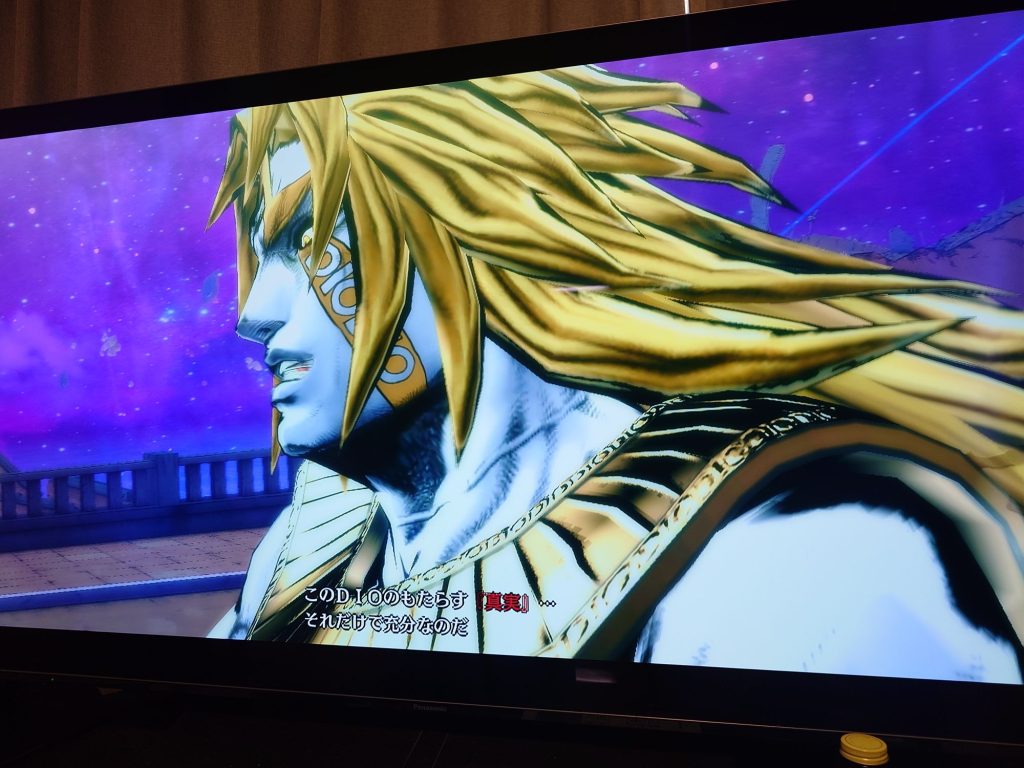
1. The Final "Ora Ora" and "Reality Overwrite" Make Absolute Zero Sense Lore-Wise
Casual fans and official guides love to praise the finale, claiming it's a hype moment where Jotaro awakens to "Reality Overwrite" because Star Platinum is the "same type of Stand" as The World. But if you actually apply the logic established in the source material, Jotaro's sudden awakening in the final battle was completely unnecessary and represents a massive plot hole.
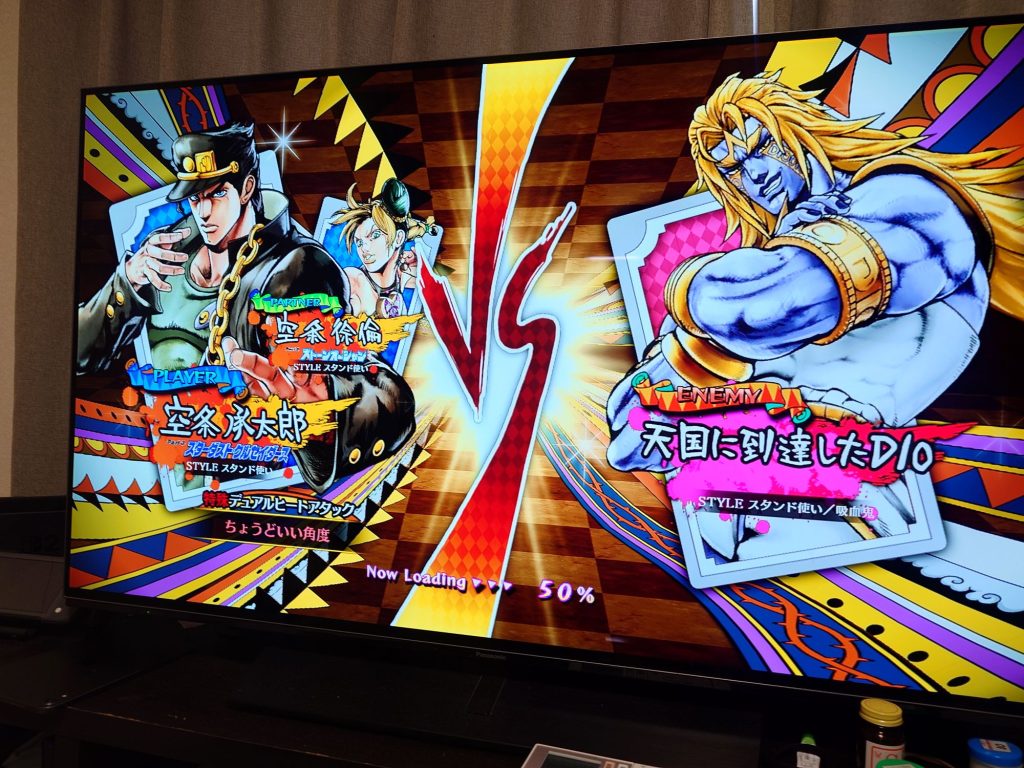
- His abilities were already sealed by Valentine's bracelets: Heaven Ascension DIO's broken ability, "Reality Overwrite," requires his Stand's fists to physically touch the target to trigger. However, right before the final clash, Funny Valentine risks everything to deliver DIO's bracelets from the Base World. When they clash with Heaven DIO's bracelets (following the rule where identical objects from parallel worlds obliterate each other upon contact), Heaven DIO's arms are completely blown off. For the few seconds it takes them to regenerate, he cannot use his reality-bending powers.
- So a standard physical "Ora Ora" should have done the trick: With his arms destroyed and defenses down, Jotaro should have been able to finish DIO off using nothing but Star Platinum's raw, unmatched physical destructive power. Yet, for some arbitrary reason, Jotaro also awakens to "Star Platinum Over Heaven" right then and there.
- The contradiction of a multi-hit rush vs. a single reality rewrite: If Jotaro truly harnessed the power of Reality Overwrite, he should have won with a single strike by writing a reality where "DIO ceases to exist." Unleashing a prolonged physical "Ora Ora" barrage contradicts the very nature of an ability meant to rewrite existence upon touch. It's a half-baked compromise that shatters the consistency of the lore.
Ultimately, this finale is nothing more than cheap, superficial fan service—milking Part 3's iconic "same type of Stand" twist and "You pissed me off" line one more time without any of the actual substance.
2. Sidelining Jonathan and Giorno Completely Ruins the Joestar Bloodline Drama
Despite hyping up an epic crossover featuring characters from Parts 1 through 8, the narrative completely falls apart by Chapter 12, reducing the climax to yet another Jotaro one-man show. The writing feels incredibly juvenile and amateurish. In particular, sidelining Jonathan and Giorno feels like an insult to the very core of JoJo's multi-generational narrative.
The Complete Disregard for Jonathan, Whose Body Was Stolen
Heaven Ascension DIO is still using Jonathan Joestar's body from the neck down. You have Jonathan standing right there, face-to-face with the man who stole his physical form to masquerade as a god in the worst way imaginable. Yet, Jonathan gets zero meaningful dialogue or dramatic interaction regarding his own body. He is reduced to nothing more than a background extra for combat encounters.
Failing to Utilize Giorno, DIO's Son with the Ultimate Hard-Counter Ability
Giorno Giovanna is DIO's biological son, yet he inherits the Joestar "Golden Spirit," making him a fascinating anomaly. More importantly, his Stand, Gold Experience Requiem (GER), is the ultimate hard-counter to Reality Overwrite because its ability is to revert all actions and willpower back to "zero," permanently preventing the opponent from reaching their intended reality.
The original lore literally handed the writers the perfect thematic setup on a silver platter: an evil father attempting to rewrite reality versus his heroic son who denies the very arrival of that reality. Instead, the game completely ignores this dynamic. Giorno doesn't get to deliver the final blow; he's just left standing around like an observer.
Furthermore, because the story operates on the premise that everyone can be saved at the end by rewriting the world, the high-stakes desperation of Part 3 is completely gone. Jotaro hasn't watched his closest friends get brutally murdered, nor has he seen Joseph's blood drained. He has absolutely no reason to be furious—if anything, he should be thanking Valentine for the bracelets. Forcing him to deliver his iconic "You pissed me off" line under these conditions feels completely unearned and leaves a hollow taste in the mouth of anyone who appreciated the raw emotional and psychological stakes of the original manga.
3. Reducing the Philosophy of "Heaven" to a Generic Shonen Power-Up
What disappointed purists the most was how the game stripped away DIO's philosophical depth as an iconic antagonist, failing to explain his motivations or journey to "Heaven," and reducing him to a generic, brute-force final boss.
- What "Heaven" meant in the original manga: In Part 6, the "Heaven" envisioned by DIO and Father Pucci was about accelerating time to loop the universe, allowing humanity to foresee their destinies. By knowing their fates in advance, humans could overcome fear and live with absolute resolve. It was a distorted quest for ultimate peace of mind, not a tool for cheap global domination.
- What "Heaven" means in the game: The game's writers treated "Heaven" as a generic fighting game boss buff—a tier upgrade that grants a broken, reality-bending shield. DIO's profound philosophical musings on fate and human vulnerability vanish entirely. Instead, he speaks like a low-tier villain with a double-digit IQ, spouting lines like, "I can alter reality, so I am supreme; comply or perish." This intellectual downgrade is exactly why the final confrontation feels so incredibly boring, both narratively and mechanically.
4. Abysmal, Artificial Game Length Padding in Chapter 12
Beyond the narrative trainwreck, the gameplay mechanics turn into a miserable grind toward the end. In Chapter 12, right when the story reaches its climax and player engagement should be at its peak, the game forces you through mindless, repetitive padding by making you backtrack to fight the exact same allies and bosses (like Zeppeli and Caesar) you already defeated and freed from mind control in Chapters 10 and 11.
To make matters worse, you are forced to run around clearing out waves of low-level zombie and vampire mobs that you dealt with at the start of the game. It is a lazy, disrespectful way to artificially extend playtime, making it entirely understandable why anyone would want to eject the disc and drop the game entirely out of sheer frustration.
5. The Depressing Reality Behind Why This Title Is Premium-Priced
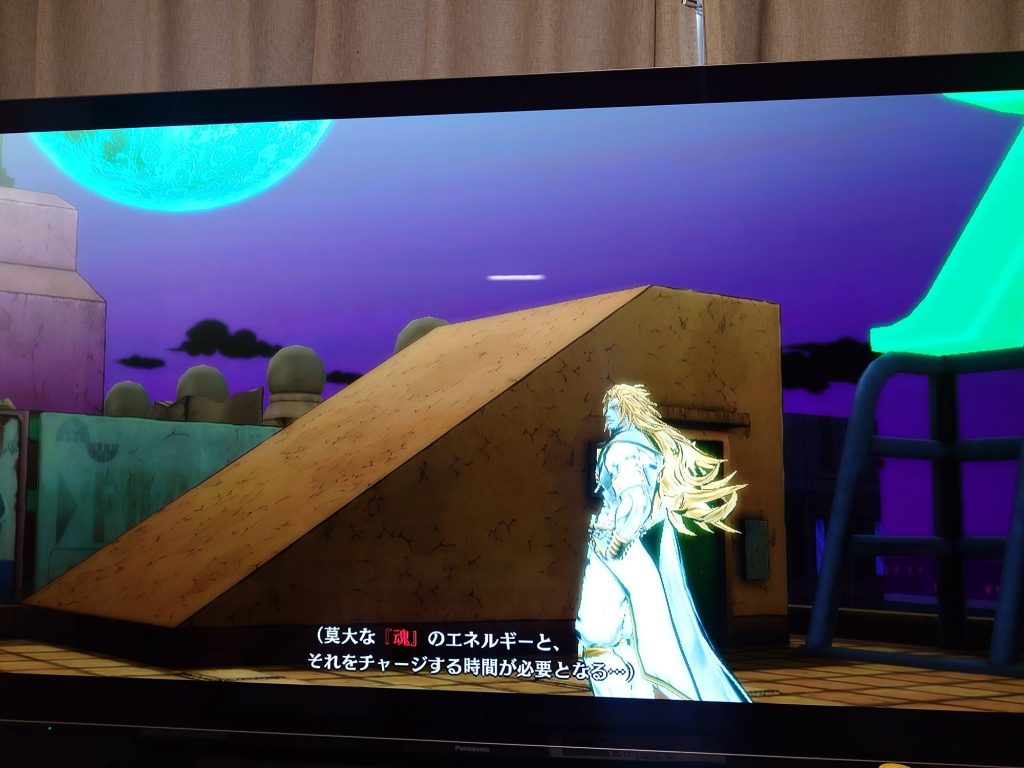
Given the empty substance of the actual gameplay, the exorbitant prices this title commands on the secondhand market are not a reflection of its quality. Rather, its premium status is the result of a commercial anomaly born from the failures of its predecessor, All-Star Battle (ASB).
- The original ASB faced severe backlash at launch due to locking core gameplay mechanics behind mobile-style microtransactions despite being a full-priced retail release, severely damaging fan trust in Bandai Namco.
- As a direct result, cautious fans boycotted Eyes of Heaven (EoH). Its first-week sales plummeted to less than a tenth of its predecessor (roughly 40,000 units), prompting the publisher to halt production early and leaving very few physical copies in circulation.
- Years later, anime adaptations of Parts 5 and 6 brought a wave of newer, more casual fans into the franchise. Drawn in by the superficial allure of an all-star roster and an exclusive "Heaven DIO" boss design, they sought out the game as a collectible piece of merchandise.
The sad truth behind its high market value is simple: it is a mix of artificial scarcity from low initial production runs and the desire of latecomers to own a piece of JoJo history, despite the actual software being a repetitive, contradictory mess. For fans who genuinely appreciated the emotional weight and psychological battles of Hirohiko Araki's original masterpiece, watching a flawed product gain a second life purely based on superficial hype is incredibly disheartening.